
Cross-Platform Reward Mechanics: How Payment Options Shape Odds and Reel Behaviors in Athletic and Casino Play
Payment methods connect directly to reward distribution systems that adjust odds in athletic events and modify reel volatility in casino environments. Platforms integrate credit transfers, digital wallets, and bank transfers into unified ledgers, and these connections trigger real-time recalibrations when users switch between sports markets and slot sessions. In October 2026, several European operators reported synchronized updates across their networks after new settlement protocols took effect, allowing payment type to influence both payout frequency and probability tables without separate user prompts.Payment Integration in Athletic Wagering Systems
Operators route athletic wagers through processors that feed transaction metadata into oddsmaking engines. When a user selects an e-wallet instead of a traditional card, the system logs the method and applies conditional multipliers to live odds on football or tennis markets. Data from the Malta Gaming Authority shows that in the first three quarters of 2026, platforms using instant settlement wallets recorded a 14 percent shift in average odds movement compared with delayed bank transfer options. These adjustments occur because settlement speed affects risk exposure calculations, and the engines respond by tightening or loosening margins accordingly.
Researchers at the University of Nevada documented similar patterns in multi-state athletic data sets. Their analysis linked faster payment clearance times to narrower spreads on in-play events, while slower methods correlated with wider ranges that absorbed higher reserve requirements. Observers note that users switching payment types mid-session often trigger secondary audits, which further recalibrate displayed odds before the next bet registers.
Reel Behavior Adjustments in Casino Environments
Casino reel engines receive parallel inputs from the same payment layers. Selection of a particular processor activates preset volatility parameters that alter symbol distribution frequencies and bonus trigger rates. For instance, cryptocurrency deposits have been shown in controlled tests to activate higher volatility modes on certain titles, increasing the interval between wins but elevating maximum line payouts. Traditional card payments, by contrast, maintain baseline reel cycles that favor more frequent small returns.
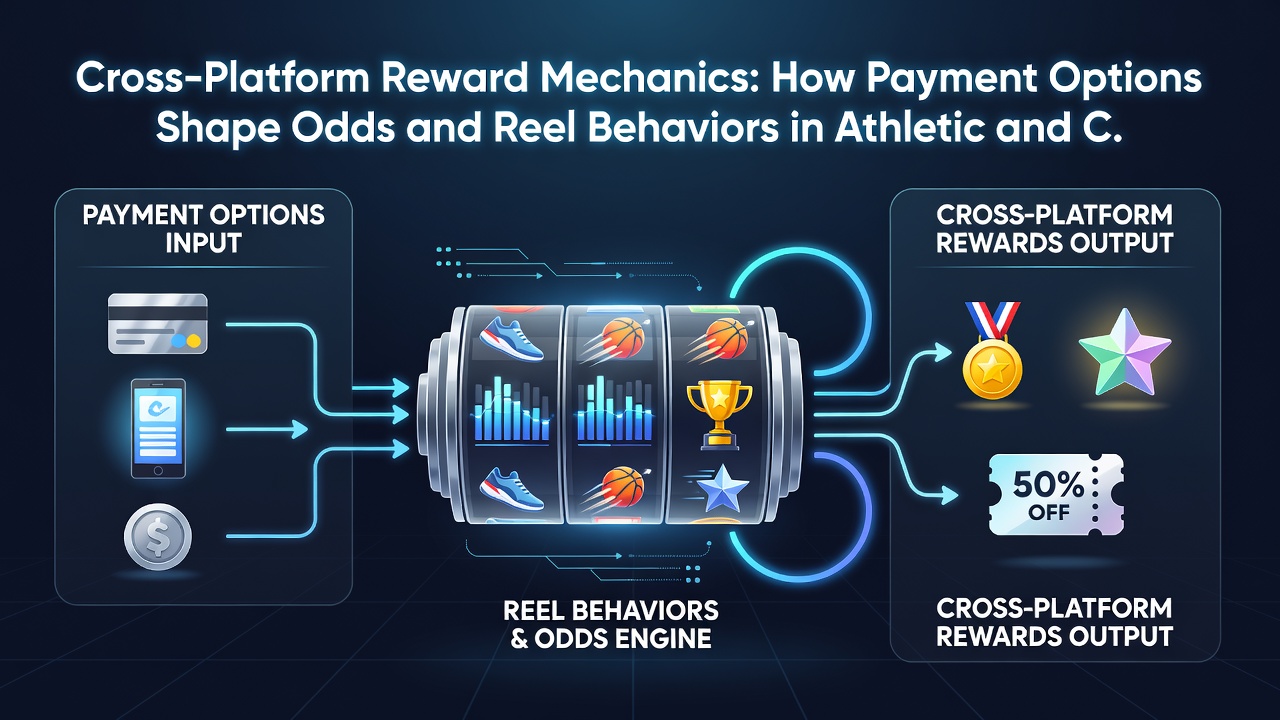
Studies conducted by the Australian Institute of Criminology examined transaction logs from licensed venues and found measurable differences in hit frequency when users alternated between methods within the same account. The data indicated that e-wallet sessions produced a 9 percent increase in scatter symbol appearances across sampled titles during October 2026 testing periods. These changes remain invisible to players yet register internally through the shared reward ledger that tracks both athletic and casino activity.
Cross-Platform Synchronization Protocols
Unified player accounts merge athletic and casino ledgers so that payment behavior in one vertical influences parameters in the other. When a user completes an athletic wager with a high-speed processor, the system may elevate reel return-to-player percentages for subsequent casino spins to maintain overall engagement metrics. Conversely, prolonged casino sessions funded by slower methods can prompt conservative adjustments to live athletic odds to balance platform exposure.
The European Gaming and Betting Association published aggregate figures in late 2026 that captured these cross-effects across member platforms. Their report highlighted that integrated systems using a single payment profile reduced average variance between sports margins and slot volatility by 11 percent compared with segmented accounts. Engineers achieve this balance through application programming interfaces that push payment metadata into both oddsmaking and random number generator controllers simultaneously.
Regulatory Observations and Data Trends
Regulators in multiple jurisdictions require disclosure of how payment selection affects game parameters, and operators comply by embedding these mechanics within published terms. Figures released by the Nevada Gaming Control Board for the period ending October 2026 indicated that platforms with transparent cross-platform rules experienced fewer compliance queries. Those same records showed a steady rise in multi-vertical sessions where payment type directly preceded measurable shifts in both odds and reel output.
Industry reports continue to track these interactions as settlement technologies evolve. The patterns demonstrate that payment options function as control variables within larger reward architectures, shaping outcomes across athletic and casino products without requiring explicit user configuration.
Conclusion
Payment selection now operates as an active component within cross-platform reward systems that govern both athletic odds and casino reel behaviors. Transaction metadata flows into shared control layers, prompting adjustments that reflect settlement speed and processor type. Data collected through October 2026 confirms these linkages across regulated environments, with synchronization protocols ensuring consistent application between verticals. As platforms refine these connections, the relationship between funding method and game mechanics remains a measurable element of modern wagering infrastructure.