Deciphering How Loyalty Tier Structures Influence Real-Time Adjustments in Multi-Game Reward Systems Across Licensed European Wagering Networks
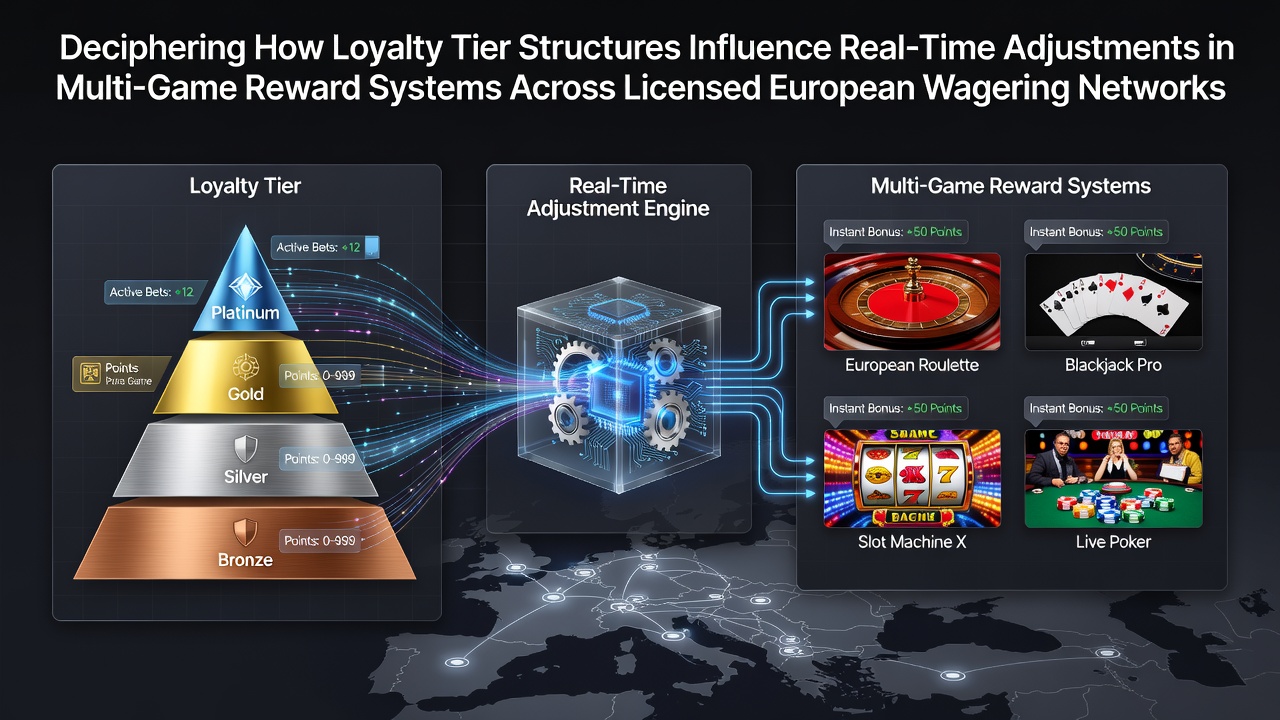
European wagering networks operate under strict licensing frameworks that require operators to maintain transparent reward mechanisms, and loyalty tier structures play a central role in how those mechanisms respond to player activity in real time. Systems track cumulative wagers, session frequency, and game-type participation to shift reward parameters such as bonus multipliers, cashback percentages, and free-spin allocations without manual intervention.
Researchers have documented that operators segment players into tiers using algorithms that recalculate status at the end of each completed round or bet settlement cycle. Higher tiers unlock immediate adjustments, for instance increasing a slot volatility buffer or extending poker tournament re-entry windows, while lower tiers receive baseline rates that remain fixed until the next evaluation window.
Mechanics of Tier-Based Real-Time Adjustments
Data from platform audits shows that once a player crosses a tier threshold the reward engine propagates changes across connected game modules within milliseconds. In multi-game environments this means a single sports wager can influence the cashback rate applied to a subsequent slot session, and that updated rate then carries forward into live dealer tables if the player switches formats during the same login period.
According to reports published by the European Gaming and Betting Association, synchronization protocols ensure that tier status remains consistent whether the activity occurs on a mobile app or a desktop interface, preventing discrepancies that could arise from delayed database commits. These protocols also enforce regional compliance rules that cap maximum reward percentages per jurisdiction.
Cross-Game Reward Propagation in Licensed Markets
Operators licensed in multiple European jurisdictions must align tier logic with each authority’s technical standards, yet the underlying architecture allows a unified player profile to drive adjustments across football wagers, automated reel systems, and poker tournaments simultaneously. When a high-tier player places a live accumulator bet, the system may automatically elevate the payout multiplier on a linked casino bonus, and that elevation persists until the tier review cycle resets at midnight UTC.
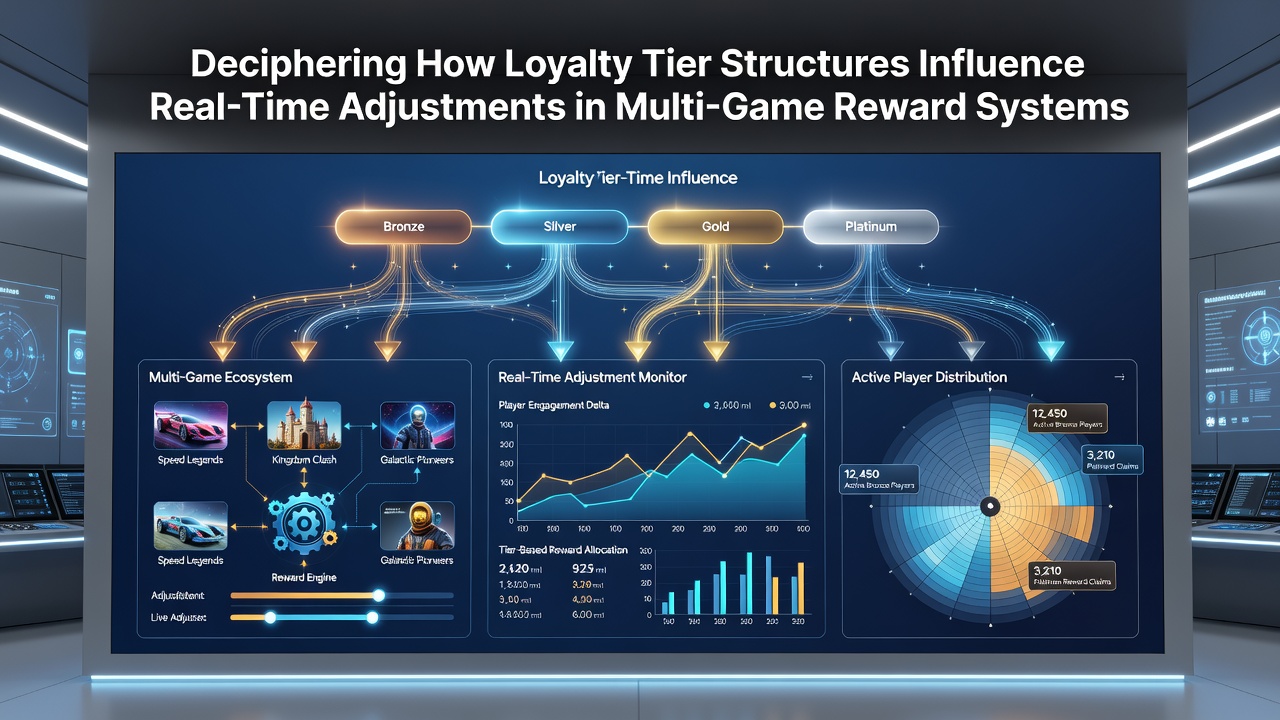
Studies conducted by academic teams at institutions in the Netherlands have examined how these cross-game linkages affect session length and game-type distribution. Findings indicate that players who reach mid-tier status exhibit measurable shifts in game selection patterns within the same evening, often moving from high-volatility slots toward lower-volatility table games once reward rates adjust upward.
Regulatory Oversight and October 2026 Updates
Regulatory bodies across the continent continue to refine reporting requirements for real-time reward engines, with several jurisdictions mandating that operators submit quarterly logs detailing every tier-triggered adjustment. In October 2026, updated technical specifications from multiple licensing authorities are scheduled to take effect, requiring enhanced audit trails that timestamp each change down to the individual transaction level.
These forthcoming rules also stipulate that operators must maintain separate testing environments where tier-adjustment logic can be validated against simulated player cohorts before deployment on production servers. Compliance teams therefore run regression suites that replicate multi-game sequences to confirm that reward propagation remains within permitted boundaries.
Integration with Payment and Volatility Controls
Payment gateways integrated into the same ecosystem receive tier data feeds that influence withdrawal processing speeds and fee structures for verified high-tier accounts. At the same time, slot volatility controls receive signals that temporarily dampen or amplify reel variance based on the player’s current tier and recent activity profile, ensuring that reward adjustments do not inadvertently breach maximum payout ratios established by license conditions.
Industry observers note that this level of interconnection demands robust API governance so that a change in one module does not cascade into unintended effects elsewhere in the network. Regular penetration testing and code reviews form part of the standard operational checklist for any operator maintaining licensed European platforms.
Conclusion
Loyalty tier structures function as dynamic inputs that continuously reshape reward parameters across sports, casino, and poker verticals in licensed European networks. The technical infrastructure supporting these adjustments relies on synchronized data flows, regulatory-compliant audit mechanisms, and cross-game propagation rules that together maintain consistency while respecting jurisdictional limits. As October 2026 approaches, operators continue preparing for enhanced reporting obligations that will further standardize how real-time tier effects are documented and verified.