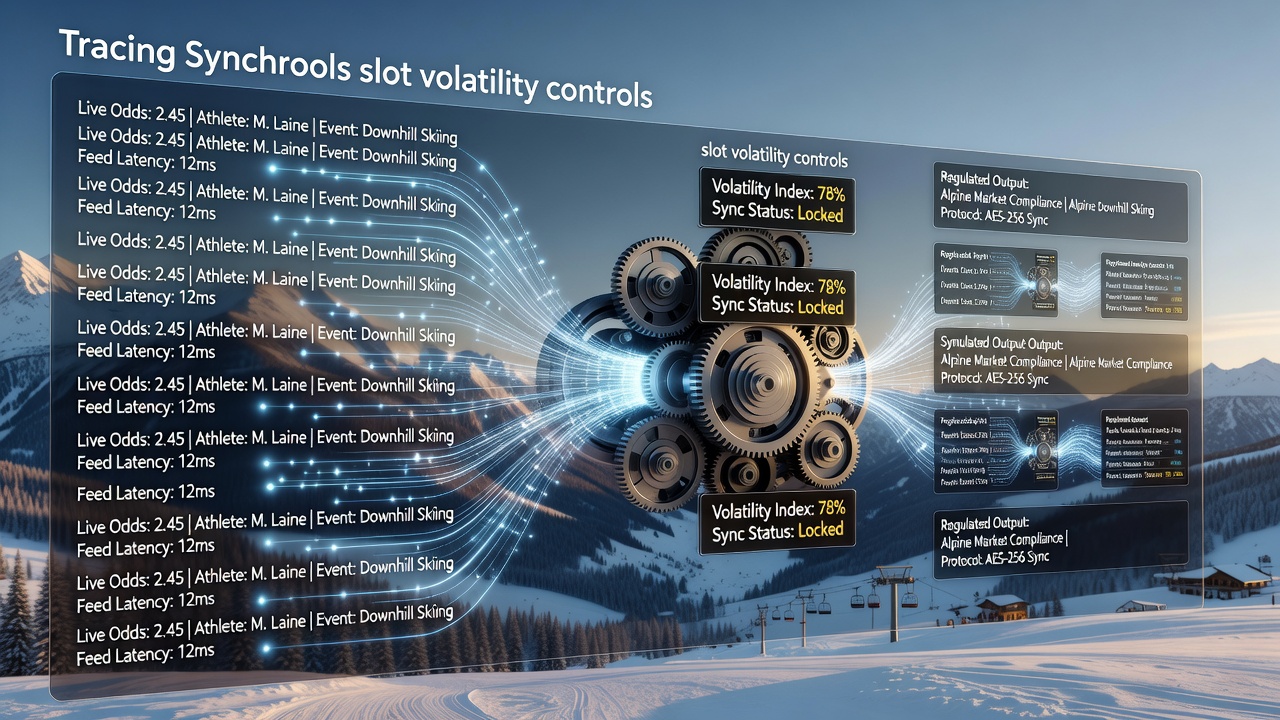
Tracing Synchronization Protocols Between Dynamic Athletic Odds Feeds and Slot Volatility Controls in Alpine Regulated Markets
Alpine regulated markets encompassing Austria and Switzerland maintain distinct frameworks for integrating live athletic odds feeds with slot volatility controls, where synchronization protocols handle real-time data exchange between sports betting engines and casino reel systems. These protocols rely on standardized APIs that transmit fluctuating odds from athletic events directly into backend volatility algorithms, allowing operators to adjust payout frequencies across connected slot titles while preserving compliance with local fairness standards. In practice, the feeds capture event-driven changes such as goal probabilities or point spreads, then route those metrics through middleware layers that recalibrate slot parameters like hit frequency and variance levels.
Core Components of Dynamic Odds Feeds
Dynamic athletic odds feeds operate through continuous data streams sourced from multiple providers, updating probabilities for football, tennis, and winter sports popular across Alpine regions, while the feeds incorporate latency mitigation techniques that ensure sub-second delivery to betting platforms. Operators in these markets connect the feeds to unified management systems that monitor exposure across both sports and slots, so when odds shift rapidly during live events the connected volatility controls respond by modulating reel behavior to balance overall risk exposure. Research indicates that synchronization occurs at the protocol level through timestamped packets, where each odds update carries metadata that triggers corresponding adjustments in slot models without interrupting ongoing player sessions.
Mechanics of Slot Volatility Controls
Slot volatility controls function by varying the distribution of winning combinations over defined intervals, and in Alpine jurisdictions these controls must align with regulatory caps on maximum loss rates per session. The controls draw input from external data sources including the athletic odds feeds, enabling platforms to scale volatility upward during high-traffic sports periods or downward when market liquidity tightens. Protocols achieve this alignment through bidirectional communication channels that confirm each adjustment against pre-approved risk matrices, with audit logs capturing every change for later inspection by oversight bodies. Data shows that such linkages help maintain aggregate return-to-player percentages within statutory ranges even as individual game parameters shift in response to live betting activity.
Protocol Tracing and Data Flow Architecture
Tracing these synchronization protocols reveals layered architectures where message queues handle incoming odds data, validation services check integrity, and downstream controllers apply volatility modifiers to slot engines. In September 2026, several Austrian and Swiss platforms implemented enhanced tracing modules that log packet-level interactions between the two systems, creating traceable paths from an odds change event through to the resulting reel adjustment. The architecture employs checksum verification at each hop to prevent desynchronization, while operators utilize monitoring dashboards that display live correlation metrics between sports market movements and slot payout patterns. Those who have examined the logs note that most discrepancies arise from network jitter rather than protocol failures, prompting the addition of redundant routing paths in updated deployments.
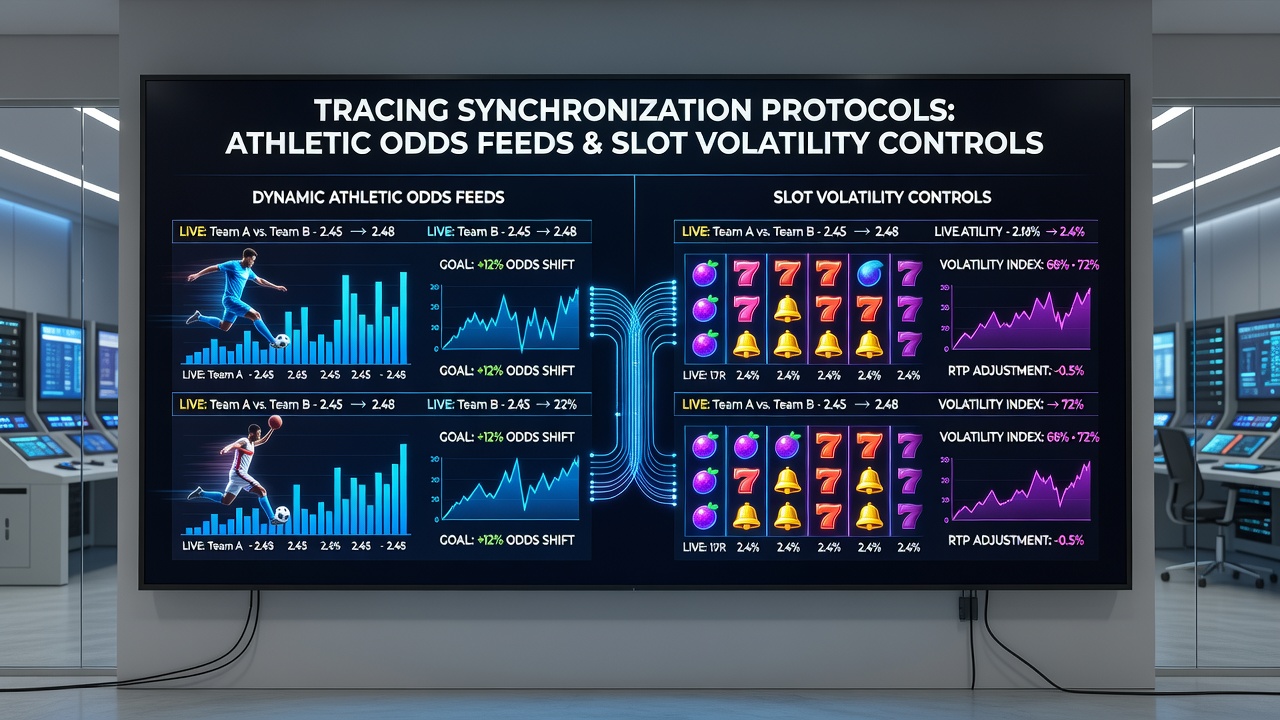
Implementation details vary between the two countries, with Austrian systems often emphasizing centralized reporting to the Federal Ministry of Finance whereas Swiss setups distribute validation across cantonal authorities. Both approaches require operators to demonstrate that synchronization does not introduce unfair advantages, and technical audits examine whether volatility shifts remain within documented tolerance bands during peak athletic events.
Regulatory Oversight Across Alpine Jurisdictions
Regulatory frameworks in these markets mandate that synchronization protocols undergo third-party certification before deployment, focusing on data security, auditability, and player protection measures. Observers note that Austrian and Swiss regulators coordinate through bilateral agreements to align standards on cross-border data flows, particularly when platforms serve users in both territories. According to reports from the Austrian Federal Ministry of Finance, updated guidelines issued ahead of September 2026 emphasized the need for real-time reconciliation between odds feeds and slot controls to prevent systemic imbalances. Separate analyses from Canadian provincial regulators highlight comparable synchronization challenges in integrated gaming environments, offering operators additional reference points for protocol refinement.
Operational Challenges and Technical Responses
Operational challenges surface when high-velocity sports markets generate rapid odds fluctuations that exceed the processing capacity of slot control modules, leading platforms to implement buffering mechanisms and priority queuing. Technicians trace these bottlenecks through sequence numbers embedded in protocol messages, allowing them to reconstruct event timelines and identify where delays occur. Platforms respond by deploying edge computing nodes closer to data sources, which reduces round-trip times and keeps volatility adjustments synchronized within acceptable windows. Studies from academic institutions such as those affiliated with the University of Melbourne have documented similar latency patterns in multi-game environments, underscoring the value of standardized timing protocols across jurisdictions.
Conclusion
Tracing synchronization protocols between dynamic athletic odds feeds and slot volatility controls demonstrates how Alpine regulated markets integrate live sports data with casino mechanics under strict compliance requirements. The resulting architectures support continuous adjustment while maintaining documented fairness parameters, with September 2026 updates reinforcing traceability and audit capabilities. Operators continue to refine these connections through enhanced logging, redundant pathways, and cross-jurisdictional coordination that addresses both technical and regulatory demands.